Tamworth septic & liquid waste
Oily Waters Disposal in Tamworth
Servicing the New England and Liverpool Plains
Responsible disposal
Safe Oily Water Removal
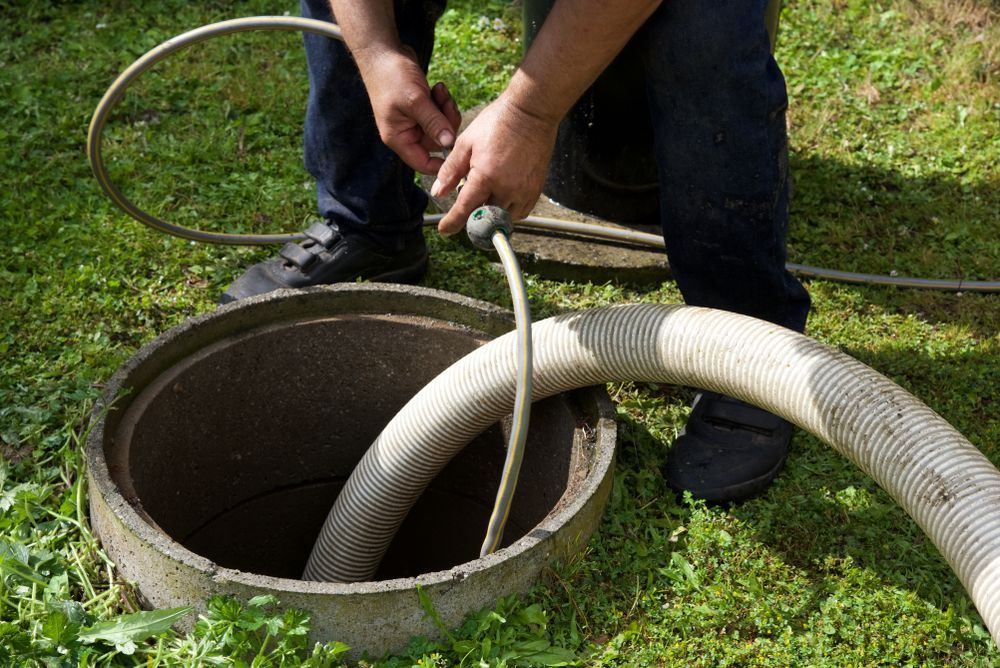
Oily water doesn’t just sit there — if it’s not managed properly, it creates serious risks for your site, your equipment and the surrounding environment. At Tamworth Septic & Liquid Waste, we provide reliable oily water disposal services across Tamworth, supporting businesses that generate liquid waste through wash bays, mechanical work and fuel handling. This includes car washes, workshops, service stations and industrial sites where oily water needs to be removed and handled correctly. Using specialised vacuum equipment, we safely collect and transport non-hazardous liquid waste, helping you stay compliant and keep your operations running without interruption.
We work with businesses of all sizes, offering both routine servicing and fast response when needed. With 24/7 availability, you’re never left dealing with a problem on your own. Call 0417 098 484 to book your oily water disposal service today.
Need Help?
Frequently Asked Questions
What factors influence the cost of oily water disposal?
The volume of oily water is one of the biggest cost factors, as larger quantities require more handling and transport. The level of contamination also matters, with heavily polluted water often needing more complex treatment. Accessibility of the site and storage setup can affect how easily the waste can be collected. Transport distance and local disposal regulations may also impact pricing. Additional requirements such as testing, documentation or emergency response can further increase costs.
How is oil separated from water during the disposal process?
Oil is typically separated from water using specialised equipment such as oil-water separators or treatment systems. These systems rely on the natural difference in density, allowing oil to rise to the surface while water settles below. In some cases, filtration, skimming or chemical treatment is used to improve separation. The recovered oil and treated water are then handled according to environmental guidelines. This process helps reduce environmental impact and ensures compliance with disposal regulations.
What can be done to reduce the amount of oily water generated?
Reducing oily water starts with controlling how oil and liquids are handled on-site. Using drip trays, proper containment and spill prevention measures can limit contamination at the source. Regular maintenance of equipment helps prevent leaks that contribute to oily runoff. Staff awareness and good handling practices also play a key role in minimising waste. Over time, these steps can significantly reduce the volume requiring disposal.
Send Us a Message
Thank you for contacting Tamworth Septic & Liquid Waste.
We will get back to you as soon as possible.
Oops, there was an error sending your message.
Please try again later.
Dependable maintenance
Protect Your Separator
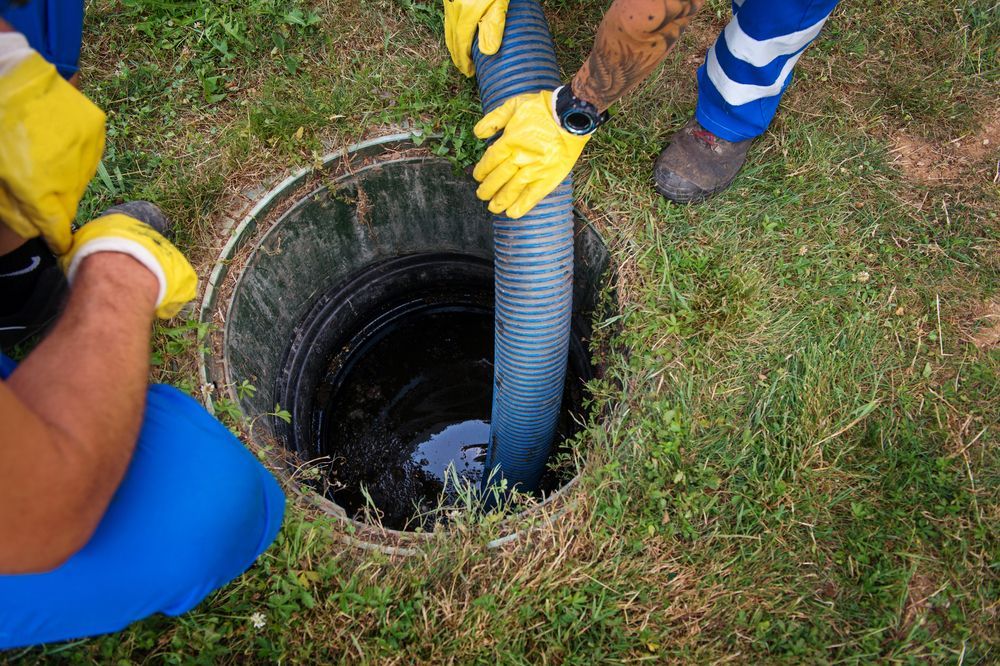
Your oily water separator plays a critical role in preventing hydrocarbons and contaminants from entering sewer systems, but it only works properly if it’s maintained. Without regular pump outs, waste builds up quickly, increasing the risk of blockages, system failure and even site flooding. Left unchecked, this can lead to downtime, costly clean-ups and potential compliance issues.
We take a proactive approach by offering scheduled servicing based on your site’s usage. Our team removes built-up waste efficiently and ensures your system continues to function as it should, reducing the risk of unexpected problems. If you’re unsure when your next service is due, we can set up a recurring schedule so nothing gets missed. Get in touch with us to organise a reliable maintenance plan that keeps your site protected.