tamworth septic & liquid waste
Grease Trap Cleaning in Tamworth
Servicing the New England and Liverpool Plains
grease traps
Keep Your Kitchen Compliant
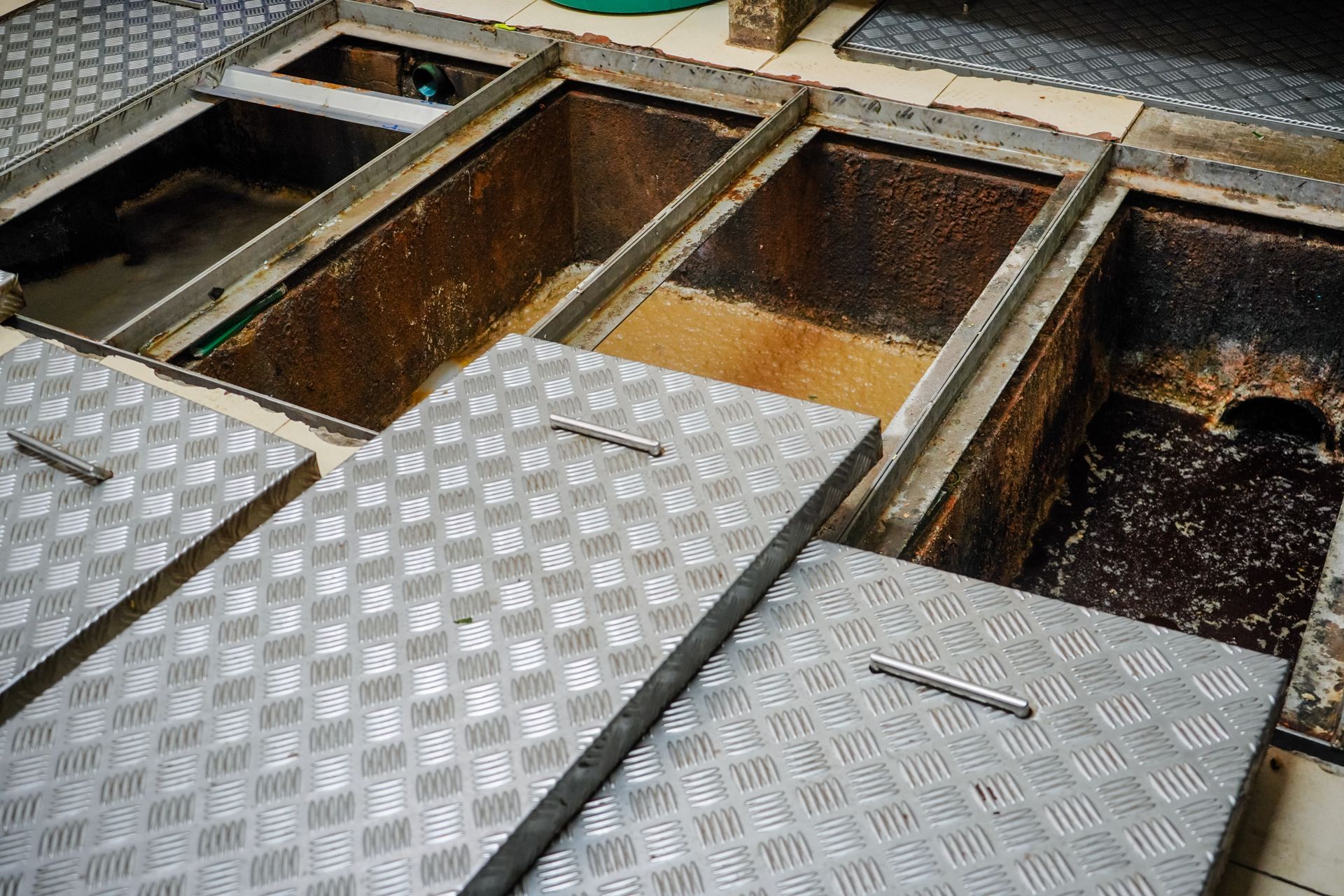
Grease build-up doesn’t just slow your kitchen down — it can shut it down completely if it hits council sewer lines. Grease traps are designed to catch fats, oils and food waste before they enter the system, but without regular cleaning, they quickly become a problem themselves. At Tamworth Septic & Liquid Waste, we provide professional grease trap cleaning across Tamworth and surrounds, helping cafés, restaurants, motels and food businesses stay compliant and operational. Using specialised equipment, we remove waste efficiently and thoroughly, reducing odours, preventing blockages and keeping your system working as intended.
A well-maintained grease trap protects your staff, your customers and your business reputation. We make servicing simple with reliable scheduling and prompt service when you need it. Call 0417 098 484 to book your grease trap cleaning today.
Need Help?
Frequently Asked Questions
What actually happens during a grease trap cleaning service?
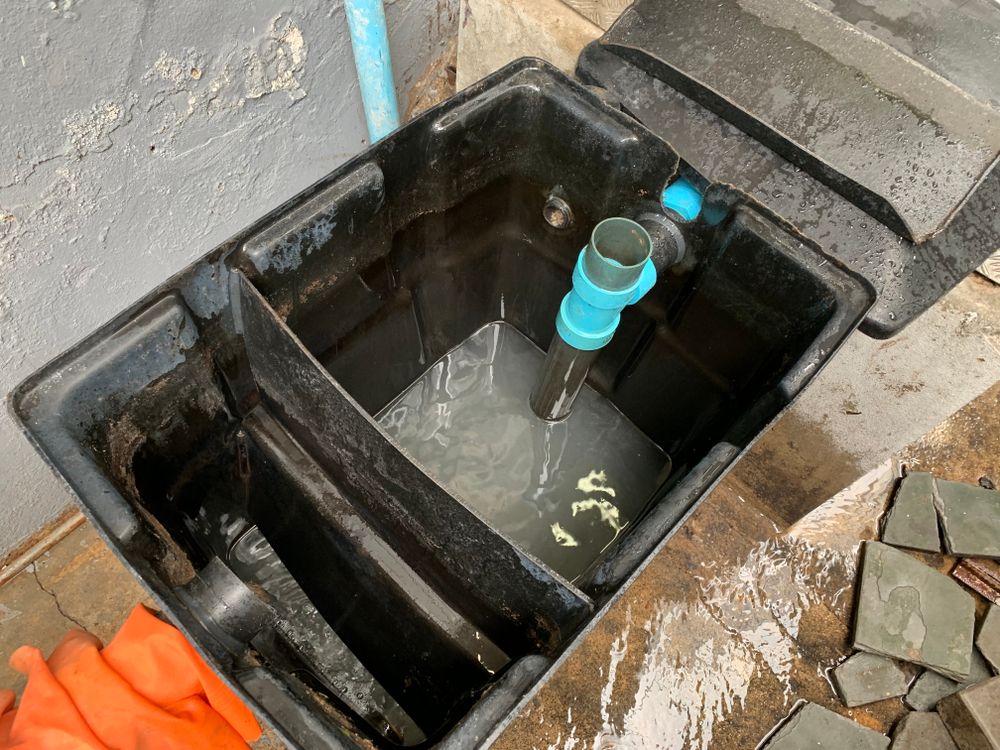
Grease trap cleaning involves removing built-up fats, oils and solids that accumulate inside the trap over time. The lid is opened and the contents are extracted using specialised vacuum equipment or manual methods for smaller units. The internal surfaces are then scraped and rinsed to remove residue and restore flow capacity. Components may be inspected for wear or damage during the process. The collected waste is transported away for proper disposal in line with regulations.
How often should a grease trap typically be cleaned?
Cleaning frequency depends on the size of the trap and the volume of grease produced in the kitchen. Many systems require cleaning every one to three months, though high-use environments may need more frequent servicing. Local regulations often set minimum cleaning intervals that must be followed. Monitoring grease levels can help determine the right schedule rather than relying only on fixed timeframes. Staying consistent helps prevent blockages and compliance issues.
Which kitchen habits contribute most to grease trap blockages?
Pouring oils, fats and food scraps directly down the sink is a major cause of grease trap buildup. Rinsing plates without scraping off leftover food can quickly increase solid waste inside the system. Using large amounts of hot water can push grease through temporarily, but it often solidifies further down the line. Improper disposal of dairy products, sauces and heavy residues also contributes to blockages. Simple habits like scraping, wiping and disposing of waste correctly can make a significant difference.
Send Us a Message
Thank you for contacting Tamworth Septic & Liquid Waste.
We will get back to you as soon as possible.
Oops, there was an error sending your message.
Please try again later.
Regular Maintenance
Scheduled Cleaning That Works
How often your grease trap needs cleaning depends on how hard your kitchen works. High-volume food preparation means more fats and solids entering the system, which leads to faster build-up and a greater risk of overflow or non-compliance. Most councils require regular pump outs, typically every three, four, six or twelve months, and staying on top of this is essential for avoiding fines and disruptions.
We take the guesswork out of it by offering recurring service schedules tailored to your operation. Our team monitors your servicing needs, making sure your grease trap is cleaned at the right time without you having to think about it. This approach helps prevent emergencies, keeps your kitchen running smoothly and ensures you’re always meeting requirements. Get in touch with us to organise a service plan that fits your business.